Search Product
Our Categories
Your Cart
Add $300.00 to cart and get free shipping!
Your shopping bag is currently empty
Continue Shopping


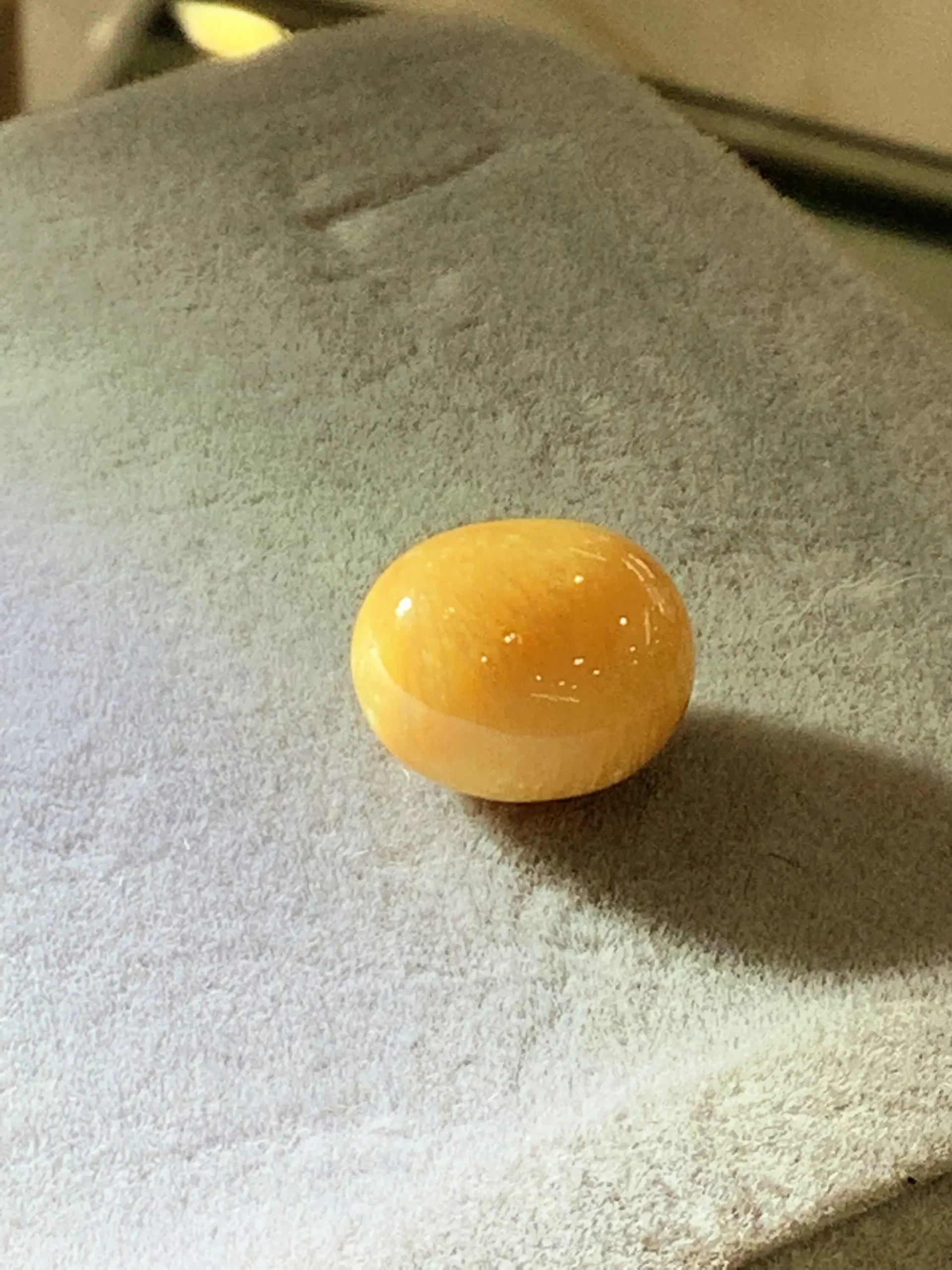
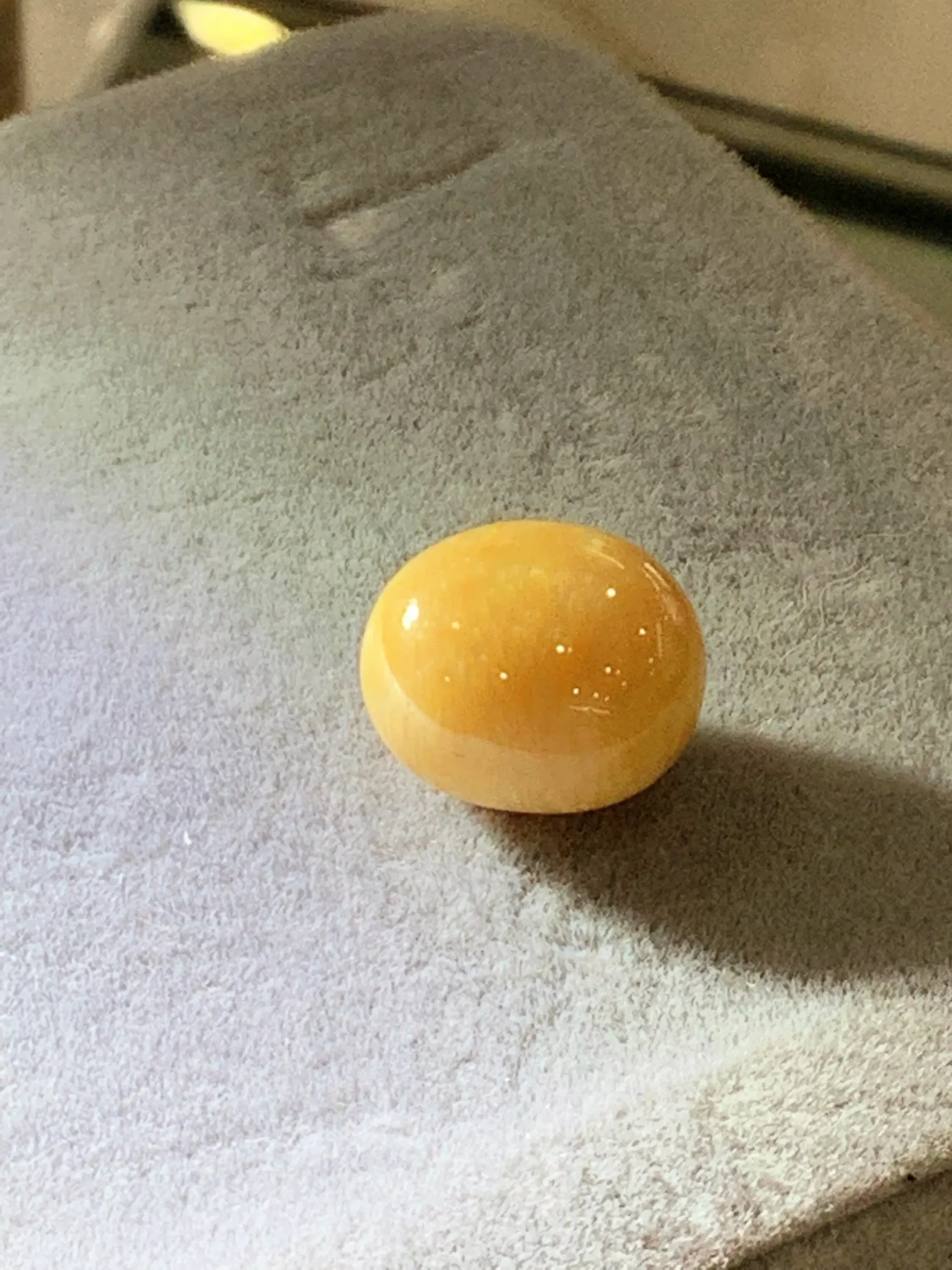
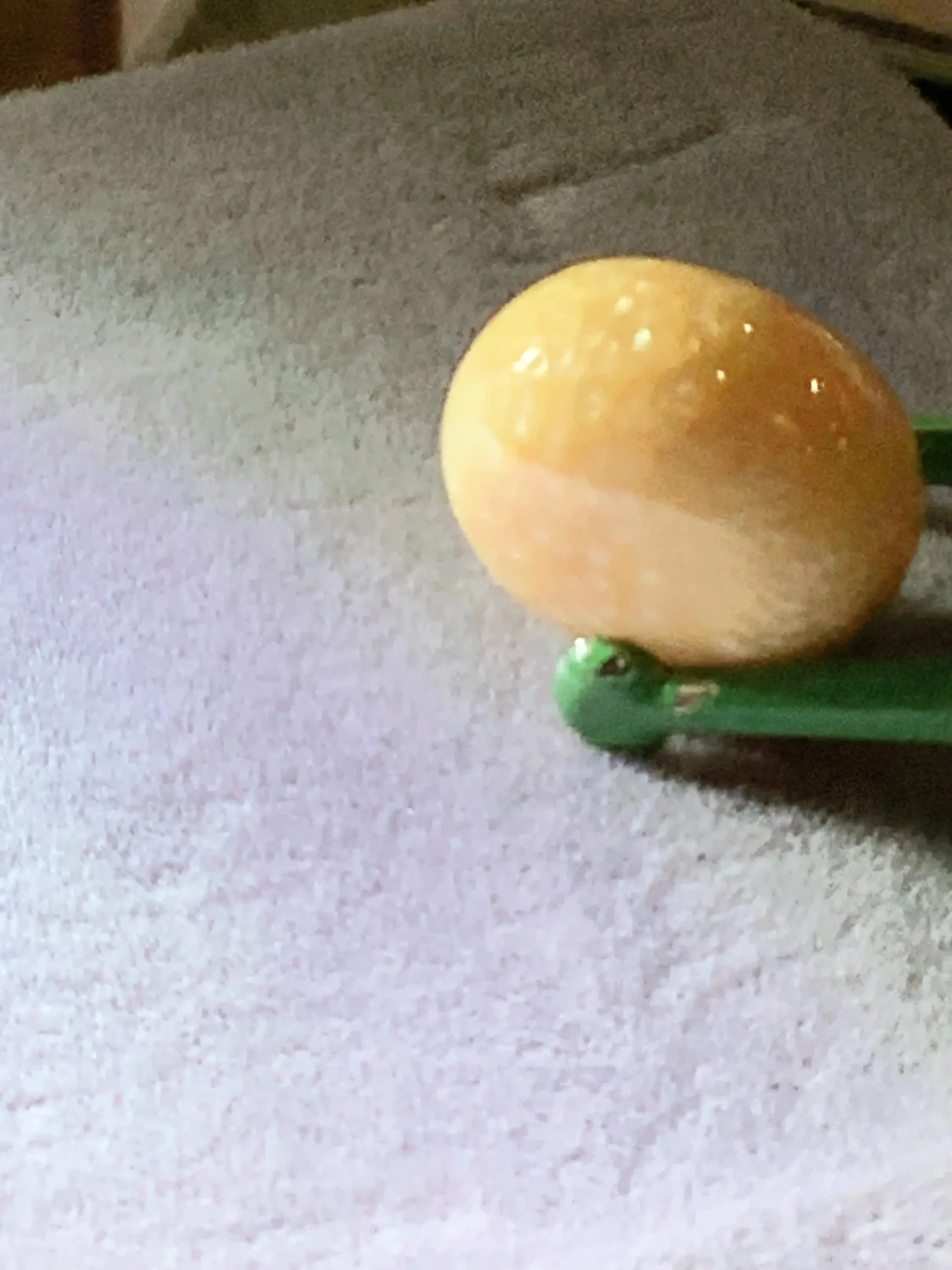
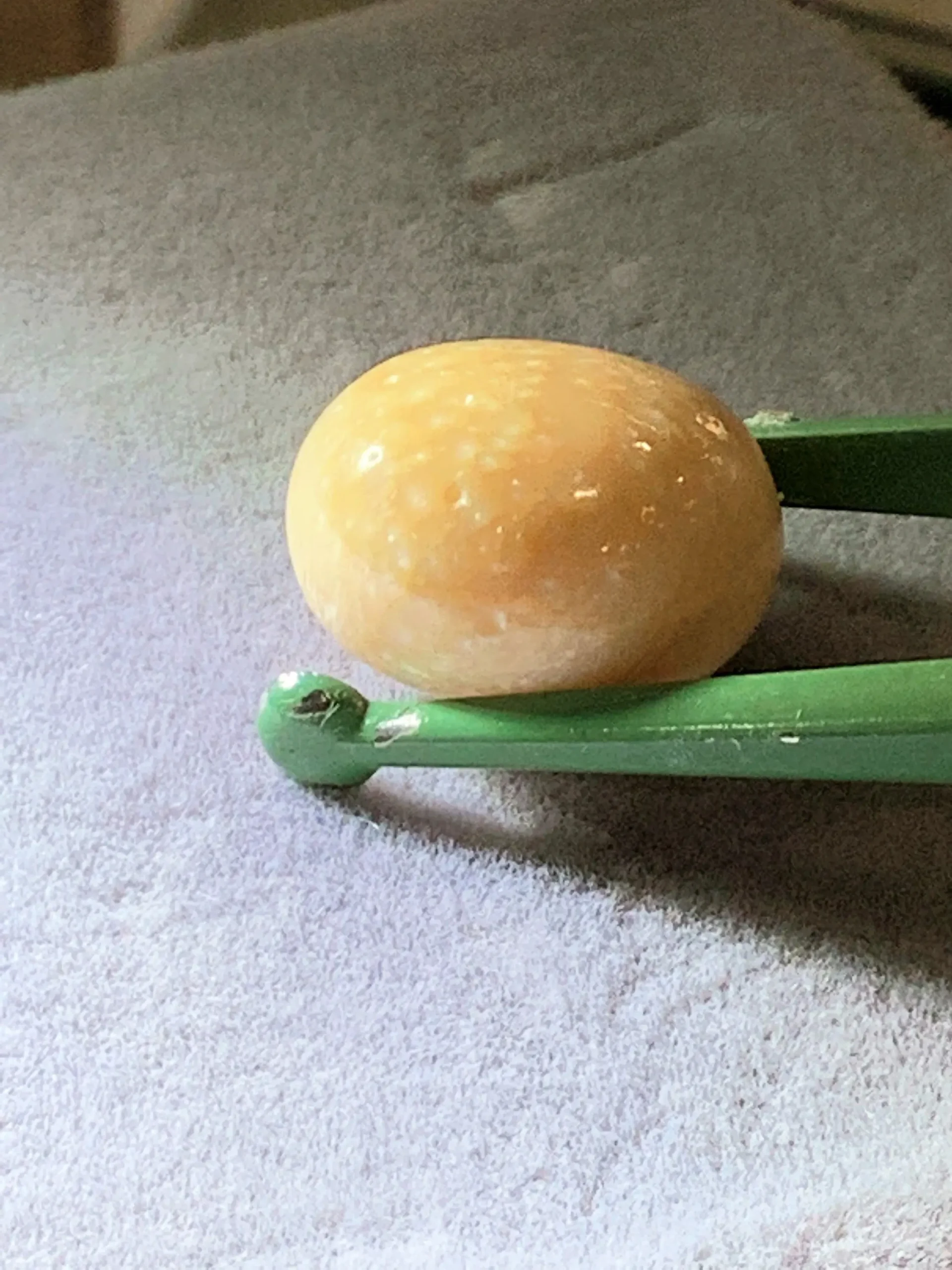
13.79 Carat Natural Melo Pearl, Volutidae Pearl, Cymbium Melo, Bailer Shell, Very Rare Pearl, Dragon Ball, Dragon Tears
$65,000.00
*Please confirm availability before checkout, items put on sale by different channels.
Treatment: Untreated 100% Natural Melo Pearl
————————
Weight: 13.79CT
————————
Dimension: 12.2MM
————————
Certificate: JGGC (JAPAN GEM GRADING CENTER)
————————
Our mission is to supply an authentic and wide range of high-quality Natural Pearl at unmatched prices.
We also offer customized jewelry for all of our loose pearls. Please send us a message with your requirements.
Description
13.79 Carat Natural Melo Pearl, Volutidae Pearl, Cymbium Melo, Bailer Shell, Very Rare Pearl, Dragon Ball, Dragon Tears
_____________________________________________________
What are Melo Pearls?
The worlds most valuable pearl, found within giant melo melo snail shells and once thought to come from dragons.
Large, perfectly silky smooth and richly golden, the melo pearl is believed to be the rarest pearl in the world. You might see them at auction houses, adorning the necks of celebrities at red-carpet events, or in Tiffany & Co’s famed Blue Book of high jewels, but you won’t often come across them in jewellery stores.
This is because finding a melo pearl is no easy task, and they cannot be cultured, as nearly all contemporary pearls are today. This exotic and rare pearl proves that the romance of jewel discovery in the wild is not yet a thing of the past. Melo pearls come from the huge Southeast Asian melo melo snail, also known as the Indian volute, bailer shell or coconut shell.
The melo melo snail can be found across the South China Sea, as well as in Myanmar, Thailand, Vietnam and Cambodia. The snail is found in colours ranging from pale orange to brown, often splashed with striking and beautiful patterns.
The Vietnamese Emperors valued the pearl highly and sent ships to search for the Melo shell. In the Pacific, the shell is regarded a sacred object by Buddhists, appearing in much religious imagery. The pearl was an expression of perfection in thought as it requires Buddhist no enhancement or alteration by man when it emerges from its shell, unlike gemstones which require faceting by man to reveal their beauty.
The Chinese, Japanese and the Vietnamese all believed that pearls were created in heaven from droplets that fell from the Dragon in the sky . These droplets descended from heaven into open shells in the water. Moonbeams nourished the dragon droplets and these grew into pearls. It is no wonder that the Melo pearl has held a fascination in the East for centuries.
The pearl was one of the eight precious emblems of the Buddha. As a sacred object, these pearls were never drilled or strung as beads. Instead they were used as objects of devotion. The “fiery pearl” a pearl with a flaming tail and the Dragon are both ubiquitous in Vietnamese decorative arts, found in ceramics, textiles and painting.
The Dragon, symbolizing the Emperor, is seen pursuing the pearl. The Emperors surrounded themselves with dragon and “flaming pearl” motifs in their art and even on their Imperial robes. One can now surmise that this was not just a metaphor but an illustration of the wonderful flame-like structure within the porcelain surface of the Melo pearl.
Types of Pearls:
1. Natural Pearls – Formed without any human intervention. Extremely rare and valuable.
2. Cultured Pearls – Formed through human-assisted farming by inserting an irritant into the mollusk. Most pearls on the market today are cultured.
3. Freshwater Pearls – Grown in freshwater rivers and lakes, mostly in China. Known for their variety of shapes and colors.
4. Saltwater Pearls – Grown in oceans, typically more round and lustrous. Includes Akoya, Tahitian, and South Sea pearls.
5. Conch Pearls – Extremely rare and natural pearls formed inside the Queen Conch (Strombus gigas), a large sea snail. Unlike traditional pearls, conch pearls don’t have nacre, but instead display a flame-like pattern and porcelain sheen.
————SHIPPING AND MAKING TIME————
Each item will be gift wrapped and shipped.
The default shipping method(EMS) takes 7-14 business days to anywhere in the United States and worldwide, you can upgrade to express shipping (DHL, FedEx), and it will only take 1 week to arrive.
Pearls are considered symbols of purity, elegance, and timeless beauty, often used in high-end jewelry and luxury fashion.
Why Choose Us?
. We aim to supply a premium selection of authentic, natural Queen Conch Pearls at unmatched wholesale prices. With a commitment to quality, rarity, and ethical sourcing, we offer collectors and jewelers around the world exclusive access to the most desirable conch pearls on the market.
Care Guide:
. Pearls should never be cleaned in an ultrasonic or steam cleaner. Using warm, soapy water for occasional, thorough cleaning is safe. If the pearls are strung, be sure the string is completely dry before wearing. For routine care, wiping cultured pearls with a very soft, clean cloth after each wearing is best.
Refund & Refund Policy:
. The Pearl Source prides itself on being the recognized leader for high-quality pearls online. If you are not 100% satisfied with your purchase, return it to us within 60 Days, and we will refund you 100% of the purchase price plus free returns.
Need help? feel free to ask us a question:)
Thank you!